

Skip to content

Screen vs. Scene: The Modern Shift in African Courtship

When deep-rooted tradition meets modern tech, modern love gets a serious upgrade. 🌍📱

Across Africa and the global diaspora, dating is shifting fast—where respect for heritage, strong family values, and swiping right all exist in the same vibrant space. Navigating romance today isn’t about choosing between the past and the present; it’s about blending both.

Thinking about dating within African communities? Here’s what you need to know about where culture meets modern romance 👇✨

Beyond the Swipe: Navigating Heritage, Family, and Modern Love in African Dating Culture

Africa is not a monolith, it is a rich, vibrant tapestry of 54 nations and thousands of ethnic groups, each carrying its own distinct customs, rhythms, and worldviews. Yet, whether you are walking through the bustling streets of Lagos, Nairobi, or Johannesburg, or navigating romance within diaspora communities in London, Toronto, or Houston, a common thread weaves through the narrative of African love: dating is rarely just about two people. It is an intricate bridge connecting deep cultural heritage, community roots, and personal ambition.

Historically, courtship in many African societies was built on long-term intentions, community oversight, and deep respect for family structures. Seeking the counsel or approval of elders wasn’t seen as an intrusion, but as a pillar of stability and protection. Sacred customs like symbolic bride prices or dowry exchanges were never intended as transactional deals, but as solemn rites uniting two lineages into one extended family.

Fast forward to today, and that landscape is undergoing a dramatic, exhilarating transformation.

Driven by rapid urbanization, expanding educational opportunities, and changing gender dynamics across major metropolitan hubs, traditional expectations around courtship and partnership equality are evolving. Modern African singles are boldly redefining what romance looks like—blending time-honored values with modern independence. Armed with smartphone apps like Tinder and global connectivity, singles are now finding compatible, culture-conscious partners both down the street and across the globe.

Understanding African dating today means appreciating this delicate, beautiful balance: it is a world where honoring your roots and chasing modern, authentic love aren’t at odds—they are part of the very same story.

 
Landlines, Mix-Tapes, and Patience: Romance in the Analog Era.

In the 1970s and 80s, dating was anchored in tangible, real-world connection and high-stakes patience. Finding romance meant working up the courage to ask someone out in person, placing a nerve-wracking call on a landline phone—hoping a parent wouldn’t answer—and agreeing on a time and place without the safety net of real-time texting or location sharing. Courtship moved at a deliberate pace defined by physical mix-tapes, handwritten notes, local hangouts, and mutual friends who acted as the ultimate matchmakers. Without algorithms or endless options at their fingertips, people invested deeply in single connections, building chemistry through shared moments rather than digital profiles.

Swiping with Purpose: Tech, Culture, and the New Era of African Love

Driven by expanding mobile broadband networks and rapid urbanization, online dating across Africa and its global diaspora has shifted from a novel alternative to a dominant driver of modern romance. According to market insights from Grand View Research, the online dating application sector across the Middle East and Africa is projected to reach nearly $1 billion by 2030, reflecting steady annual growth powered by tech-savvy young adults in major metropolitan hubs. Beyond local connections, digital platforms act as a crucial cultural bridge for the global diaspora. Rather than abandoning heritage, modern singles are utilizing mobile technologies and niche apps to filter for shared traditions, intentional relationships, and long-term compatibility across borders..

ANSWERING THE BIG QUESTION......

Let us go through the 3 main arguments:

SAFTEY

Traditional dating provides superior safety and trust compared to modern app dating in African contexts:

  • Traditional Dating: Relies on community vetting (family, church, mutual friends) and carries high social accountability, offering stronger protection against misconduct or deceit.

  • Modern App Dating: Poses higher risks of catfishing, scams, and physical safety threats—especially for women meeting strangers—though digital tools like photo verification help mitigate some danger.

  • Verdict: Traditional dating is significantly safer because shared social networks offer better security and trust than digital algorithms.


CULTUTAL INTENT & THE “FUN” FACTOR

Modern app dating offers greater personal freedom and variety, while traditional dating aligns more closely with cultural expectations:

  • Traditional Dating: Carries higher intent toward marriage, aligns better with family and religious values, and avoids the stigma older generations may associate with dating apps.

  • Modern App Dating: Provides freedom from rigid family or ethnic pressures, allows young urbanites to prioritize personal preferences, and serves as a tool for general networking, expanding social circles, and cross-cultural dating.

  • Verdict: Modern app dating leads in independence, autonomy, and expanding options, whereas traditional dating excels at aligning with cultural values and serious relationship intent.

SUCCESS RATES

  • Traditional Success: The majority of long-term partnerships and marriages in Africa still originate offline, through family/friend introductions (29%), school/university (17%), places of worship, and workplace interactions. Because shared background and values are pre-screened, these relationships often transition into formal family introductions more smoothly.

  • Modern App Success: Research shows that over 58% of African dating app users have formed a meaningful relationship through an app. Apps are particularly effective in major metropolitan areas for busy professionals, expatriates, and people seeking niche lifestyle or religious matches.

Verdict on Success: A tie that favors location. In major cities, modern apps have high success rates for expanding options. However, overall long-term stability across the continent still heavily favors traditional community-driven connections.

The Takeaway 

In Africa, modern dating hasn’t replaced traditional dating—it has created a two-tier system:

  1. The Digital Layer: Used primarily by urban, tech-savvy 25–40 year-olds for quick networking, expanding their social reach beyond their immediate circles, and exploring options on their own terms.

  2. The Traditional Filter: Once a modern match becomes serious, it almost always transitions into traditional norms—requiring family introductions, communal vetting, and cultural/religious alignment.

The most effective modern dating strategy in Africa is using apps as an initial discovery tool, while relying on traditional cultural intuition, public meeting spots, and background checks through mutual networks for safety and long-term success.

GRAB YOUR BOOKMARK!!!

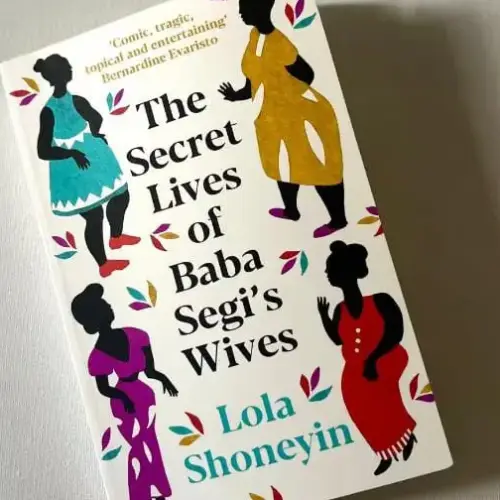
The Secret Lives of Baba Segi's Wives by Lola Shoneyin

It shows the darker side of traditional offline arrangements. While traditional marriage promises security, communal standing, and family alignment, it can also trap women in unequal, patriarchal structures. The conflict peaks when Bolanle—an educated, modern university graduate—chooses to enter a traditional polygamous home to escape personal trauma, highlighting how modern independence and traditional expectations constantly collide.

TThe River and the Source by Margaret A. Ogola

It provides the historical baseline for traditional offline courtship. It details the rigorous background checks, family delegations, and communal council (Jodongo) involvement that ensured a courtship was safe and viable. It reveals why African families still place high value on communal vetting, even as younger generations adopt modern dating apps.
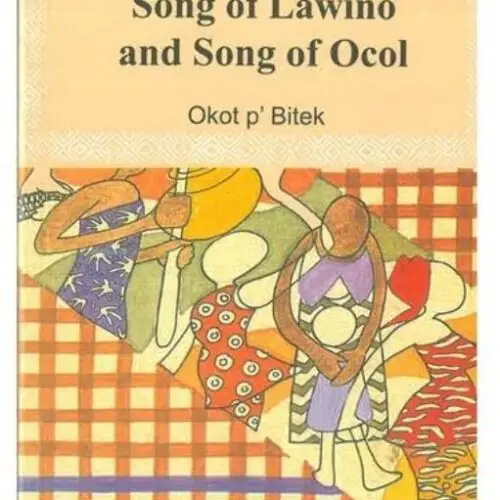
Song of Lawino & Song of Ocol by Okot p'Bitek

Lawino defends the beauty, dignity, and slow, communal intimacy of traditional Acholi courtship. Ocol rejects her for "Clementine"—a modern girl who wears makeup and adopts Western aesthetics. It mirrors the exact cultural friction when fast-paced modern dating standards replace time-tested communal traditions
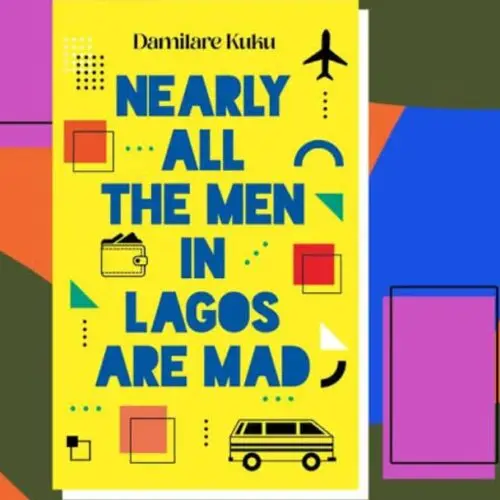
Nearly All the Men in Lagos Are Mad by Damilare Kuku

It captures the fatigue and safety risks of screen-based dating—where individual autonomy from traditional family oversight allows people to hide secret lives, fake financial status, or dodge accountability. It illustrates why young urbanites start longing for the safety and screening of traditional networks after dealing with modern dating chaos.

SWIPE LEFT FOR THE AUNTIES

Between navigating Westlands nightlife and dodging relentless check-ins from her mother’s council of aunties demanding to know when she’s settling down, Amina’s dating life in Nairobi is already a full-time job. When she swipes right on Kevin—a laid-back sound engineer stuck in standstill Thika Road traffic—their instant digital spark immediately collides with real-world chaos: M-Pesa date etiquette, social media flexing, and the unavoidable weight of traditional family expectations. Blending laugh-out-loud rom-com energy with sharp cultural commentary, this story follows two modern Kenyans attempting to build something real while caught between Silicon Valley algorithms and the timeless, vocal scrutiny of an extended African family.

0
    0
    Your Cart
    Your cart is emptyReturn to Store