When Someone Dies
In Africa, death is rarely a private affair.
Someone dies, and somehow, within hours, an entire network of people knows.
The phone calls begin.
“Have you heard?”
“It’s true?”
“When did it happen?”
“Where are they taking the body?”
“Which hospital?”
“When is the burial?”
And before the family has even had time to understand what has happened, people are already moving.
Someone is going to the hospital.
Someone is calling the relatives.
Someone is arranging transport.
Someone is making tea.
Someone is cooking.
Someone is looking for a tent.
Someone is starting a WhatsApp group.
Someone is asking for the funeral contribution number.
Someone is calling the pastor, priest, imam or elder.
Someone is saying:
“We need to go home.”
Because in many African communities, when somebody dies, you go home.
Even if home is four counties away.
Even if you haven’t been there in years.
Even if you have work tomorrow.
Even if you don’t have money for the bus.
You go.
Because death has a way of reminding us that some things are bigger than convenience.
The first thing about African grief is that you rarely grieve alone.
You might feel alone.
You might even desperately want to be alone.
But somebody will come knocking.
A neighbour will bring food.
An auntie will sit beside your mother.
A cousin will sleep on the floor.
Someone will make tea at 2 a.m.
Someone will take the children outside so that you can cry.
Someone will quietly put money in your hand.
Someone will say:
“Don’t worry about that. We’ll handle it.”
And that is one of the beautiful things about African communities.
We may not always know what to say.
Sometimes we say completely useless things.
“Be strong.”
“God knows best.”
“It was God’s will.”
“Don’t cry too much.”
“At least they lived a long life.”
But underneath all the awkward words is something important:
We are here.
You don’t have to carry this completely by yourself.
And then the practical work begins.
This part of grief is strange.Someone has died.Your heart is broken.But somebody still needs to find the death certificate.Someone needs to talk to the mortuary.Someone needs to arrange the coffin.Someone needs to decide where the burial will happen.Someone needs to organize transport.Someone needs to feed fifty people.Then a hundred.Then three hundred.
Someone needs to buy chairs.Someone needs to call relatives.Someone needs to collect contributions.Someone needs to organize the programme.Someone needs to speak to the church.Someone needs to talk to the clan or elders.Someone needs to decide who will speak at the funeral.
And suddenly the family is doing project management while grieving the biggest loss of their lives.
It’s exhausting.
But there is something deeply African about it.
The community carries the practical burden while the family carries the emotional one.
At least, that’s how it is supposed to work
The funeral committee
If you’ve ever been to an African funeral, you know.
There is always a committee.
And somehow there is always one person who is extremely serious about the committee😂
There will be meetings,lists,budgets,contributions,namesand deadlines.
Someone will say:
“We are still short by 180,000.”
Someone else will say:
“Please send your contribution before Friday.”
Someone will send 500 shillings.
Someone will send 20,000.
Someone will promise to send tomorrow.
Someone will contribute food.
Someone will provide a vehicle.
Someone will slaughter a cow.
Someone will provide tents.
Someone will print programmes.
Someone will volunteer to MC.
It may look chaotic.
But underneath it is an old idea:
One person’s death is a community responsibility.
Our grandparents might have contributed a cow, grain, firewood or labour.
We contribute through M-Pesa.
The technology changed.
The principle didn’t.
Then everyone goes home.
This is one of the most powerful parts of African mourning.
The person might have lived in Nairobi.
But they are often taken back to the village.
Back to the family land.
Back to where their parents are buried.
Back to where their grandparents lived.
Back to the place where their name means something.
And there is something deeply emotional about that journey.
The hearse leaves the city.
The roads become familiar.
The family follows.
People are waiting at home.
And suddenly the whole village knows:
Someone has come home.
Except this time, they’re not coming back alive.
The funeral itself
There can be hundreds of people.
Sometimes thousands.
People you know.
People you don’t know.
Friends from school.
Colleagues.
Church members.
Neighbours.
Former classmates.
Business associates.
Village elders.
Family members you haven’t seen in years.
People come because the person mattered to them.
And sometimes people come because the family matters to them.
Both are valid.
There are speeches.
Songs.
Prayers.
A eulogy.
Sometimes traditional words from elders.
Sometimes a pastor or priest speaks.
Sometimes an imam.
Sometimes all of them exist alongside each other.
And that is one of the things about modern African funerals:
They can contain centuries of history in a single afternoon.
And then comes the burial.
This is the moment when reality becomes physical.
The coffin goes down.
The soil falls.
People cry.
Someone screams.
Someone holds their mother.
Someone can’t look.
Someone stands completely still.
And then the grave is covered.
That is the moment when the person is no longer physically accessible.
You cannot call them.
You cannot visit them in hospital.
You cannot wait for them to come home.
They are now part of the earth.
And whatever you believe happens afterward—heaven, ancestors, another life, or simply the end—the physical reality is undeniable.
They are not coming back.
That is a brutal sentence.
And sometimes it takes months for the heart to understand it.
Then people eat.
This might sound almost strange if you didn’t grow up around African funerals.
But after crying comes food.
Someone has cooked rice.Ugali.Beef.Chicken.Chapati.Beans.Vegetables.Tea.Soda.
Whatever the family can manage.
People sit together and eat.
And again, there is history behind this.
Food has always been one of the ways African communities care for one another.
You may not know what to say to someone whose mother has died.
But you can cook for them.
You can feed them.
You can make sure their children eat.
Sometimes love looks like words.
Sometimes it looks like a plate of food.
Then comes the strangest part.
Everyone leaves.The tent is taken down.The chairs are returned.The borrowed pots go back.The funeral committee stops meeting.The WhatsApp group becomes quiet.The relatives travel back.The village becomes normal again.The house becomes quiet.
And suddenly, the person who died is no longer surrounded by hundreds of people.
It’s just you.
And their empty room.Their clothes.Their shoes.Their photographs.Their bed.Their cup.Their number in your phone.
And this is when grief can become real.
Because the funeral was busy.
Now there is silence.
Nobody prepares you for the silence.
People will check on you during the first few days.
Then the calls become less frequent.
After a few weeks, people assume you’re doing better.
After a few months, they may stop mentioning the person’s name.
But you haven’t stopped thinking about them.
You just stopped talking about it.
And sometimes that is when grief becomes lonely.
Because everyone else has returned to life.
You are expected to return too.
Go back to work.Go back to school.Take care of the children.Pay bills.Cook.Clean.Laugh.Attend weddings.Attend birthdays.Celebrate Christmas.
And you’re supposed to somehow do all of that while carrying the knowledge that someone you loved is never coming back.
African culture has always understood this.
Mourning was never meant to last forever. There were rituals, cleansing, remembrance and eventually a return to ordinary life.
You are allowed to live again.
Not because you’ve forgotten them, but because life continues.
And in many African traditions, death didn’t mean someone simply disappeared. They remained in the family through their names, stories, children, traditions and memories.
We remember them by saying:
“My grandmother taught me that.”
“My father used to say…”
“My mother would have loved this.”
And somehow, they continue to live through us.
Because death doesn’t only take away a person. Sometimes it takes away the future you imagined with them—the conversations you’ll never have, the milestones they’ll never see, the moments you thought you had more time for.
That’s why death reminds us to stop assuming we have forever.
Call your people.
Visit them.
Take the photograph.
Say sorry.
Say thank you.
Say I love you.
And when someone you love dies, don’t feel guilty for eventually laughing again.
You can miss someone for the rest of your life and still have a beautiful life of your own.
You can carry the dead and still live.
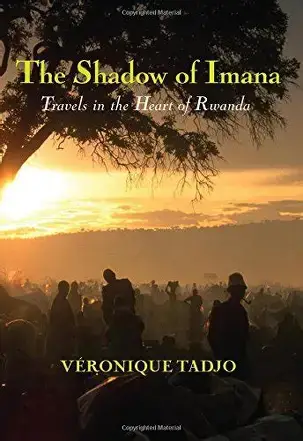
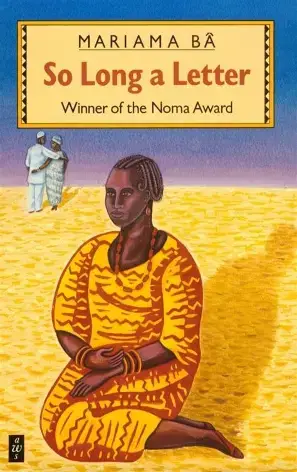
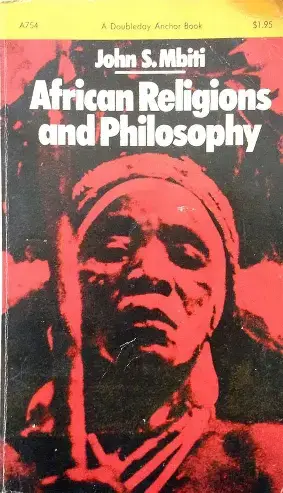
BOOKS YOU'D RELATE WITH