BEYOND THE CRAMP
Menstruation is one of the most fundamental biological processes on Earth. It is the rhythmic, physiological foundation of human life and reproduction, experienced by roughly half the global population for several decades of their lives. Yet, despite its biological universality, menstruation occupies a complex, often paradoxical space in human society. Historically revered as a sacred marker of fertility and vitality, it has simultaneously been weaponized as a tool of social exclusion, framed as a biological impurity, and hidden under layers of shame. Understanding the full scope of the menstrual cycle requires looking beyond basic anatomy; it demands a comprehensive exploration of how women navigate its biological stages, how historical and modern societies have responded to it, and why dismantling menstrual stigma is essential to achieving gender equity and human dignity.
NAVIGATING THE FOUR STAGES
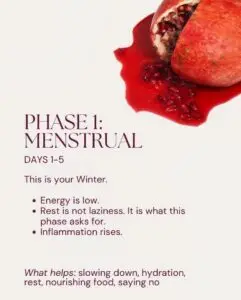
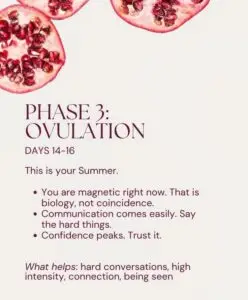
To appreciate menstrual health, one must understand the intricate hormonal symphony that governs the monthly cycle. Divided into four distinct phases—the menstrual, follicular, ovulatory, and luteal phases—the cycle influences not only reproduction, but also metabolic rate, brain chemistry, immune response, and daily physical performance


The Construct of Shame: From Ancient Myths to Modern Commercialization
Despite its mathematical precision and biological importance, menstruation has long been plagued by social stigma. The roots of this shame have evolved over millennia, adapting to changing cultural, religious, and economic environments.
In pre-modern times, period shame stemmed primarily from biological misunderstanding and spiritual anxiety. Before the advent of modern physiology, bleeding without a physical wound was viewed with awe and suspicion. Many societies rationalized menstruation through strict purity codes and taboos. Menstruating women were frequently barred from handling food, entering places of worship, or approaching livestock out of fear that their presence would spoil crops or cause bad fortune. Furthermore, because menstrual blood was recognized as a potent biological marker, intense social secrecy was enforced around the disposal of menstrual cloths to prevent spiritual misuse or social contamination.
Rather than celebrating menstruation as a sign of health, 20th-century marketing campaigns historically promoted menstrual products through the lens of absolute concealment and “hygiene panics.” Advertisements routinely featured blue liquids instead of red, urging women to keep their periods hidden, odor-free, and undetectable.
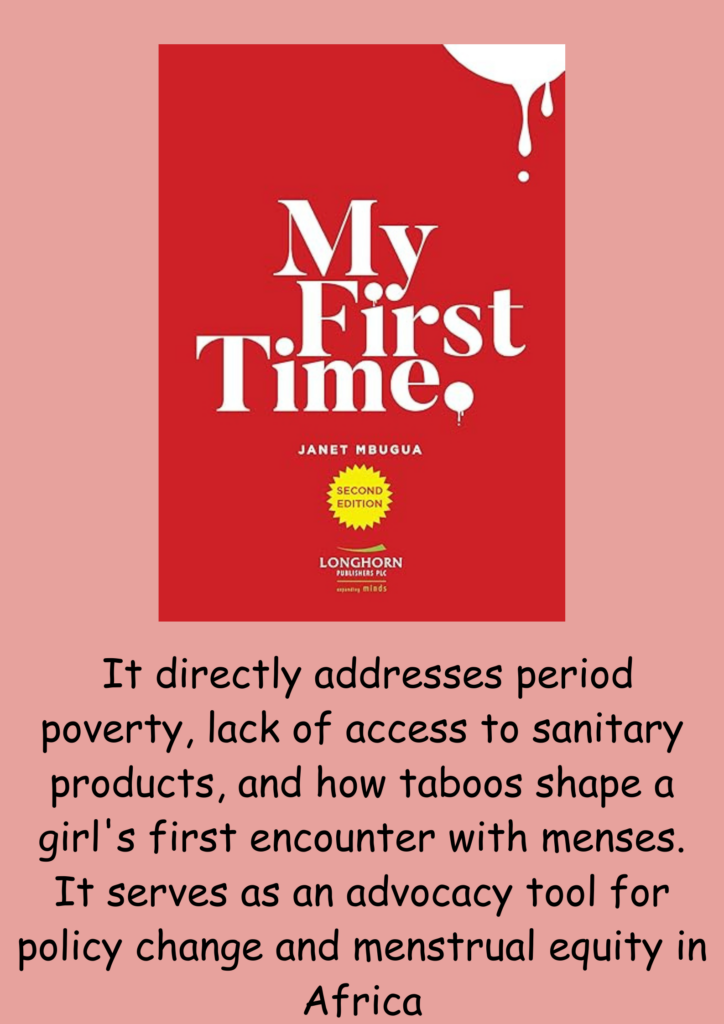
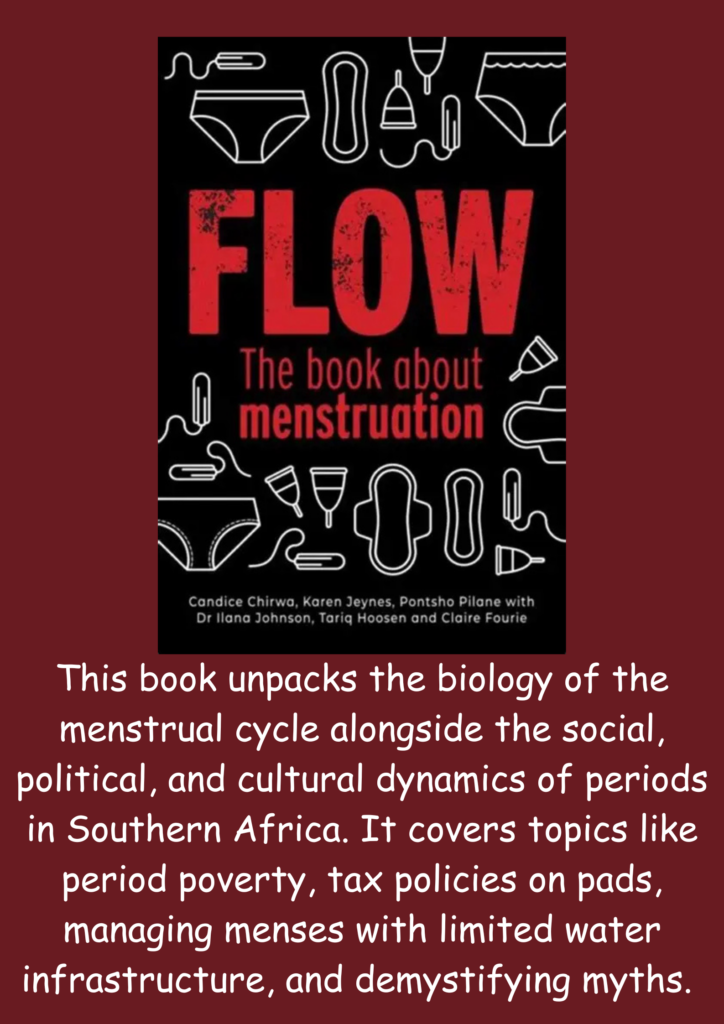
This culture of secrecy is reinforced today by systemic economic barriers—often referred to as period poverty. In countries such as Ghana, Nigeria, and Kenya, disposable sanitary pads are taxed as luxury or imported goods, causing prices to absorb anywhere from 3% to 15% of a low-income household’s monthly income. When public institutions fail to provide free products, functional toilets, or clean water, millions of women and school-aged girls face embarrassing leaks and social exclusion. What was once framed as a spiritual contamination is now framed as a personal hygiene failure, forcing individuals to slip pads up their sleeves or use euphemisms like “Mkate” to avoid public awkwardness.
WHAT TO DO?
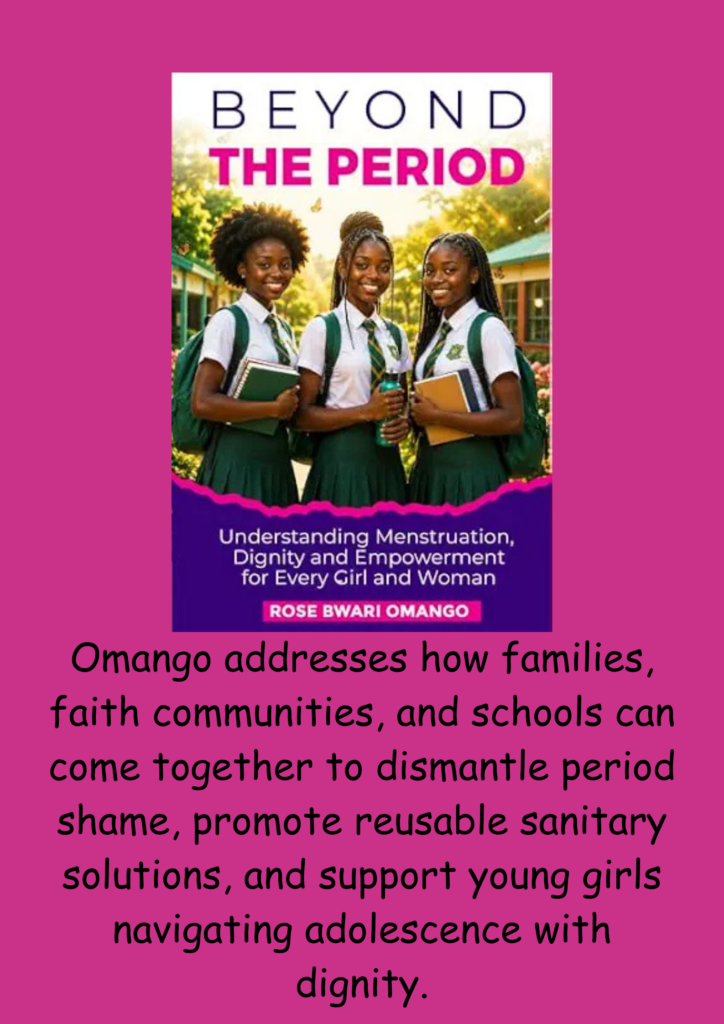
Addressing period stigma doesn’t require grand overhauls; it begins with shifting everyday habits, language, and institutional norms. Here is how that looks in practice across key environments:
In Schools
-
Normalize the Conversation in Sex Education: Teach menstrual health as a standard, universal biological topic to all students—regardless of gender—rather than splitting classes or framing it as a private “girls-only” secret.
-
Provide Free and Accessible Supplies: Equip all restrooms with easily accessible, free menstrual products, trash bins, and clean water. Requiring a student to ask a teacher or nurse for a pad creates unnecessary public friction and embarrassment.
-
Establish Restroom-Friendly Policies: Eliminate strict limits on bathroom breaks. Needing to handle menstrual hygiene isn’t something students should have to publicly negotiate or plead for during class.
In Workplaces
-
Stock Emergency Supplies in Bathrooms: Keep tampons, pads, and pain relievers in all staff restrooms as standard office supplies—just like toilet paper, hand soap, or band-aids.
-
Normalize Casual Language: Avoid using euphemisms like “lady problems” or hiding pads up sleeves when walking to the restroom. Treating a pad like any other everyday item strips away its taboo.
-
Offer Flexible Working Norms: Acknowledge severe menstrual pain (dysmenorrhea) as a valid health reason for taking a sick day or working remotely when feasible, without requiring overly intrusive explanations.
At Home & in Personal Circles
-
Ditch the Euphemisms: Call it a period, menstruation, or bleeding. Teaching young children direct, accurate anatomical terms removes the mystery and implied shame from an early age.
-
Include Everyone in Household Discussions: Ensure brothers, fathers, and male partners are familiar with period products, where they are stored, and how to buy them. Shopping for pads should be as routine as picking up milk or toothpaste.
-
Respond with Empathy, Not Disgust: Avoid treating accidental leaks or visible products with shock or disgust. A calm, supportive response signals that periods are completely normal and nothing to hide.
Shifting culture comes down to small, consistent acts: treating period products like basic amenities, speaking accurately, and extending simple empathy.