
Poetry
Taboo
A Piece By: Nyambura
We build fences around our basest shadows,
We draw lines in the dirt and call them civilization.
There are things we do not name in polite company,
Things that sit so far outside the boundary of our humanity
that the stomach turns just to speak them.
Cannibalism.
The consumption of another’s flesh.
A deep, visceral, instinctual no.
We do not have to teach a child not to look at his neighbor and see dinner.
It is hardwired.
Socialized.
Absolute.
But why is the boundary line blurred when it comes to the body’s sanctuary?
Mary Pipher wrote it down,
A blueprint for a shift in the cultural ground:
“Young men need to be socialized in such a way
that rape is as unthinkable to them as cannibalism.”
Let that sink into the marrow of your bones.
Why must we negotiate consent like a legal contract?
Why must we teach “no means no” as if it’s a foreign language,
When it should be as glaringly obvious as a brick wall in the dark?
We need a shift in the soil.
A rewiring of the machinery.
Where taking a body without a soul’s permission
Is viewed with the same exact horror
As tearing into flesh with teeth.
It’s about how we talk in the locker rooms.
It’s about the jokes we let slide in the group chats.
It’s about the passive nods that validate the hunt.
We have to dismantle the myth that desire is a monster that cannot be tamed,
That men are just beasts driven by an untamable flame.
No.
Men are architects.
Men are protectors.
Men are human.
And humans can decide what is sacred.
Imagine a world where the boundary of a woman’s body
Is not a question, not a conquest, not a gray area,
But a holy ground.
An absolute taboo.
So let’s change the curriculum of survival.
Stop telling daughters how to hide, how to shrink, how to dress for the wolf.
Let’s talk to the sons.
Let’s plant the seed so deep within the soil of their character
That the very thought of violation
Evokes the same shudder,
The same sickness,
The same absolute, unquestionable refusal.
Make it unthinkable.
Make it impossible.
Make the peace of a woman
As natural as the air we breathe.
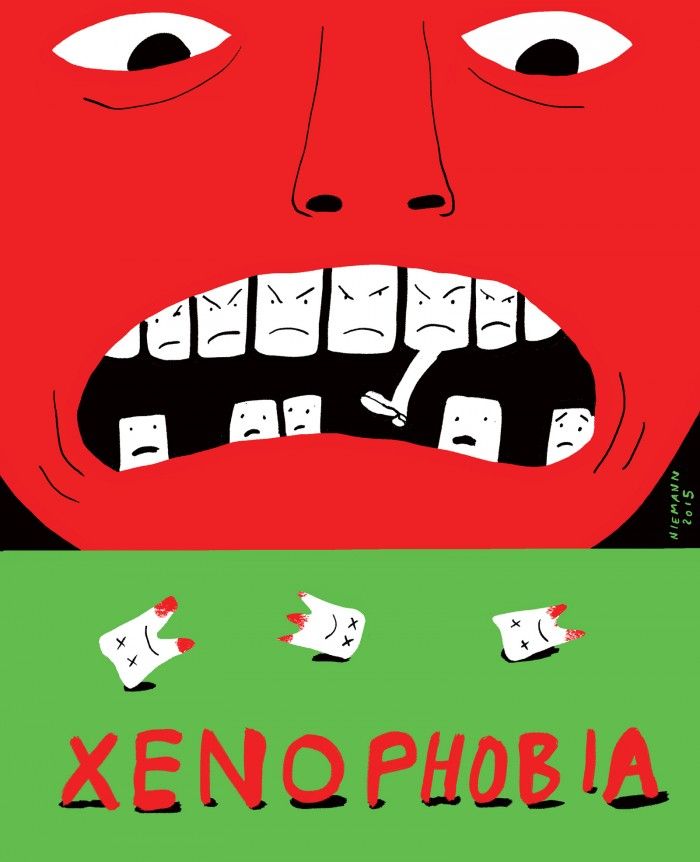
By: Simaloi
A poignant poem exploring the human cost of political scapegoating and state-sponsored xenophobia in Africa. Before every major election, political elites turn struggling citizens against informal foreign vendors to deflect from inflation, youth unemployment, and systemic state failures. This piece captures the quiet brotherhood of market traders broken apart by border politics and vote-seeking populism.
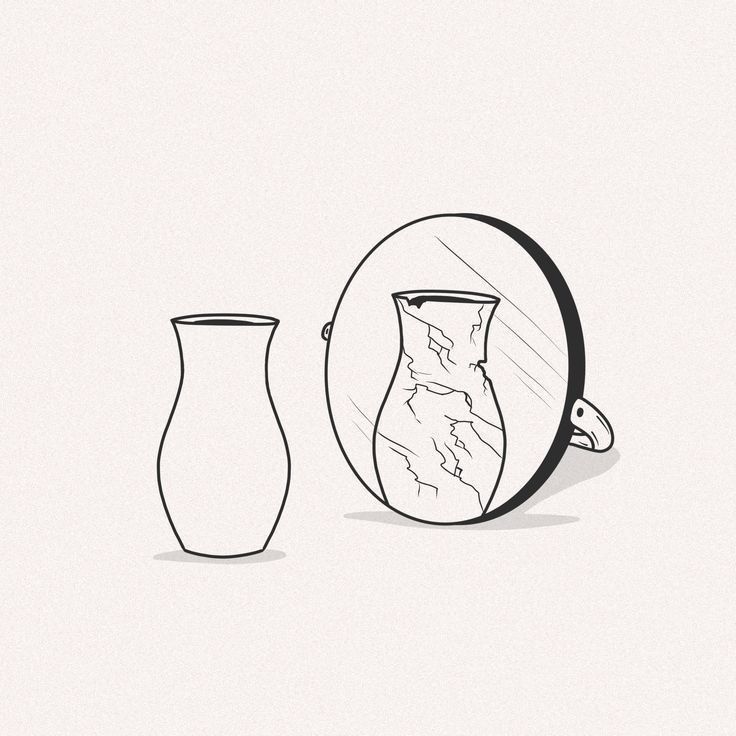
By: Simaloi
“In the quiet dark, hands reached out when no one was looking”. A spoken word piece on breaking decades of silence.
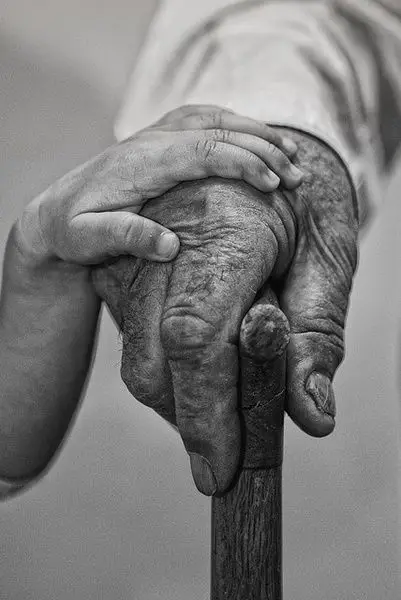
By: Simaloi
We grow up thinking our parents will always be strong, always be there. Then one day, we notice the grey in Mum’s hair, Dad moving a little slower, and realize that while we were growing up, they were growing old too.
By: Simaloi
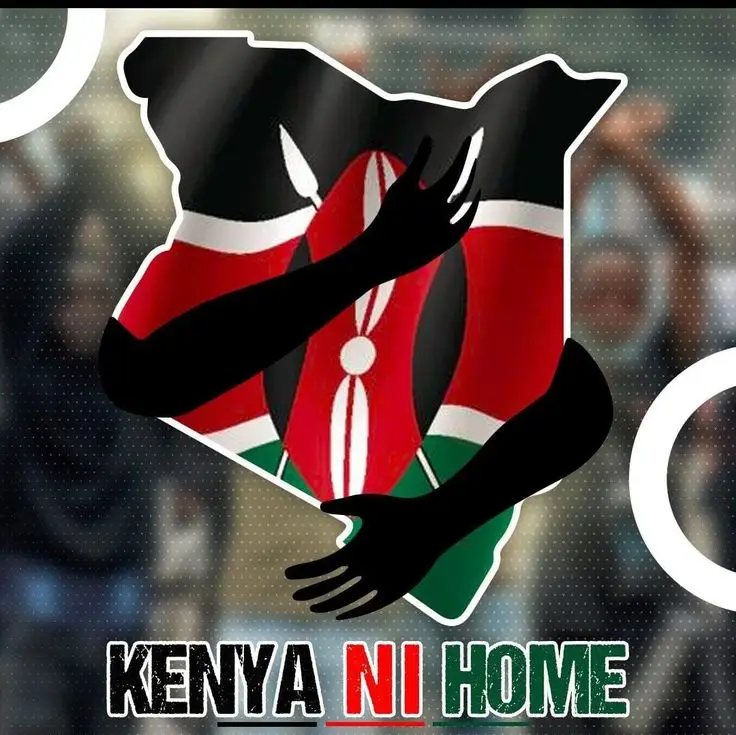
Kenya has endured maandamano, abductions, killings and grief, yet somehow we keep waking up, going to work, celebrating and finding reasons to live. As another election approaches, this poem asks the question many of us are quietly carrying: will we have to survive another election, or will we finally get to experience one without fear?

By: Sim
“Ni uchungu,” she said. The room replied, “Itaisha tu, vumilia.” As if pain yields to a quiet command, as if the body unspools its tension simply because someone whispered, “Be calm.” A poetic reflection on women’s pain, clinical language, and the deep need for empathy in modern healthcare.

By: Sim
What happens when the chemicals wear thin,
And unnatural light leaves tender faces burned?
When we forget that beauty’s deep within…