

Poetry
SMOOTH WORDS, SHARP EDGES
A Piece By: Sim
“Ni uchungu,” she said.
The room replied, “Itaisha.”
As if pain yields to a quiet command,
As if the body unspools its tension
Simply because someone said, “Calm down.”
Once more, paper crinkles under weight.
Bare feet settle into cold steel stirrups.
A gown, thin as tissue, wraps around a life
Taught, above all else, to simply endure.
She came for answers, for care, for health.
They gave her smooth, sanitized words:
*A few seconds.*
*Pressure kidogo tu.*
*A gentle pinch.*
*Mild cramping.*
Words polished until they lose their edge,
Disguising the sharp, heavy things
Women carry home in their bones.
For one, a fleeting moment of discomfort.
For another, a pain that steals the air,
Locking every muscle in silent revolt,
Echoing long after the paper is discarded.
Yet the script remains unchanged:
*Be still. Be brave. Be quiet. Be grateful.*
Women’s pain has always been managed by a quiet press,
Renamed to fit neatly into clinical charts,
Measured against averages, ratios, and norms,
Rather than the pulse of the person on the table.
“Most tolerate it well,” they say.
But she is not a statistic.
She is a person carrying history—
The invisible weight of past scars,
Childbirth, loss, trauma, or time.
The body remembers what the chart leaves out.
Trauma does not pause for a scheduled appointment.
And here lies the heart of it:
These procedures are vital.
They catch the shadow before it grows.
They save lives, offer hope, secure tomorrows.
But saving a life should never demand
The quiet surrender of human dignity.
Compassion is not the enemy of science.
Pain relief is not a luxury for the dramatic.
Listening does not slow the work of healing.
Imagine a medicine that turns toward the patient and asks:
Not, *”Can you handle this?”*
But, *”How can we help you through?”*
Where consent is a living conversation,
Where options are offered, hands are held,
And a woman is trusted
When she simply says, “It hurts.”
Courage is not suffering in silence.
Strength is not the art of pretending.
And healthcare, at its true core,
Is the act of treating the person, not just the test.
So when she speaks her truth,
Do not shrink it down to fit “discomfort.”
Do not compare her walk to another’s path.
Just listen. Just believe her.
By: Simaloi
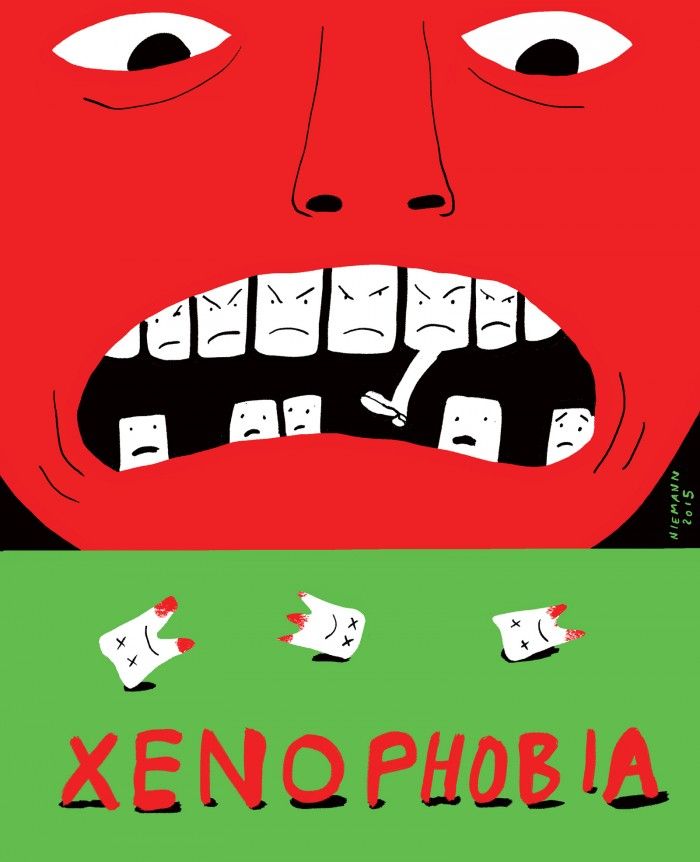
A poignant poem exploring the human cost of political scapegoating and state-sponsored xenophobia in Africa. Before every major election, political elites turn struggling citizens against informal foreign vendors to deflect from inflation, youth unemployment, and systemic state failures. This piece captures the quiet brotherhood of market traders broken apart by border politics and vote-seeking populism.
By: Simaloi
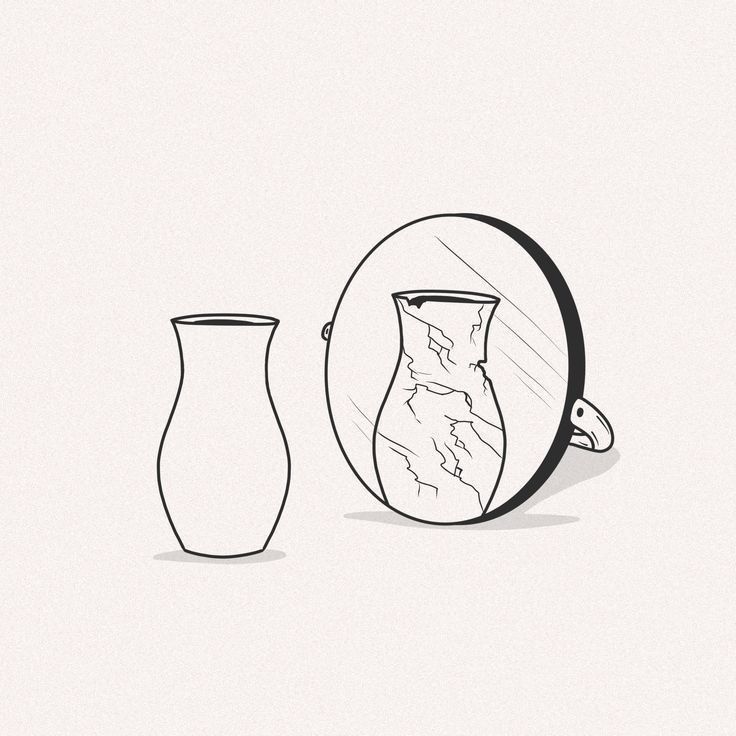
“In the quiet dark, hands reached out when no one was looking”. A spoken word piece on breaking decades of silence.
By: Simaloi
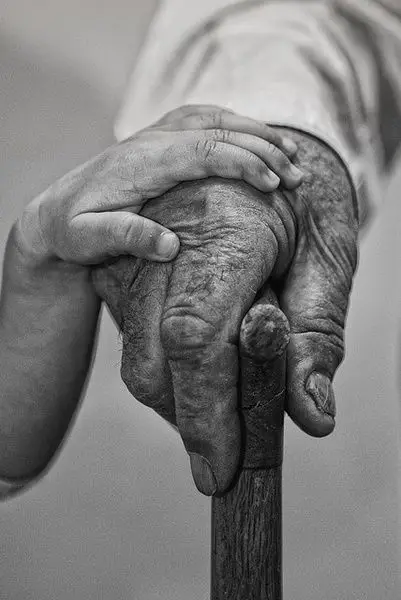
We grow up thinking our parents will always be strong, always be there. Then one day, we notice the grey in Mum’s hair, Dad moving a little slower, and realize that while we were growing up, they were growing old too.
By: Simaloi
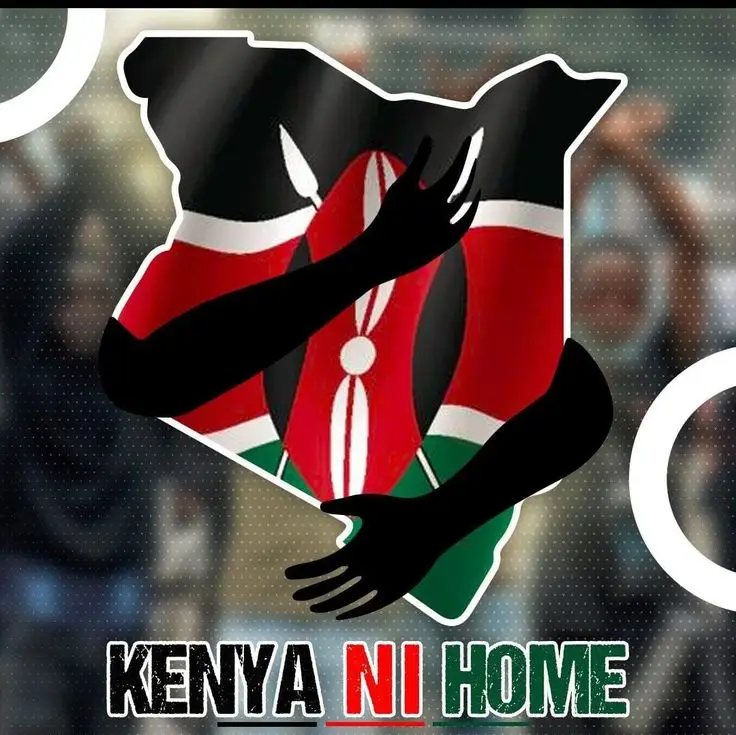
Kenya has endured maandamano, abductions, killings and grief, yet somehow we keep waking up, going to work, celebrating and finding reasons to live. As another election approaches, this poem asks the question many of us are quietly carrying: will we have to survive another election, or will we finally get to experience one without fear?
By: Sim
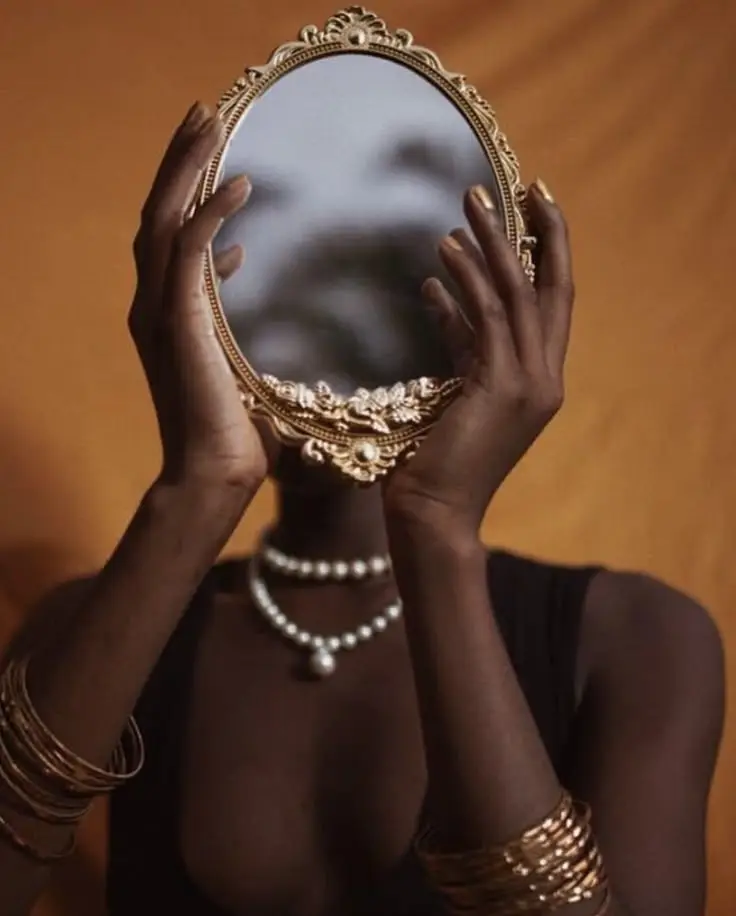
“Ni uchungu,” she said. The room replied, “Itaisha tu, vumilia.” As if pain yields to a quiet command, as if the body unspools its tension simply because someone whispered, “Be calm.” A poetic reflection on women’s pain, clinical language, and the deep need for empathy in modern healthcare.
By: Sim
What happens when the chemicals wear thin,
And unnatural light leaves tender faces burned?
When we forget that beauty’s deep within…